Aluminum frame replacement is a meaningful investment that upgrades thermal performance, enhances sound insulation, improves aesthetics, and significantly increases the value of any property. Choosing modern thermal break systems directly impacts comfort, energy savings, and the overall functionality of a building; therefore, the process requires well-documented and technically sound decisions.
In the guide below, we present the key stages, benefits, and selection criteria that will help you choose the right aluminum window systems for your home or professional space. With a comprehensive approach, you will understand which features determine quality, energy efficiency, and long-term value, ensuring that your investment is truly targeted and effective.

1. Choosing the Right Aluminum System
The assessment of the project’s requirements includes:
· Climatic conditions, to ensure the selection of highly thermally insulated systems and appropriate glazing.
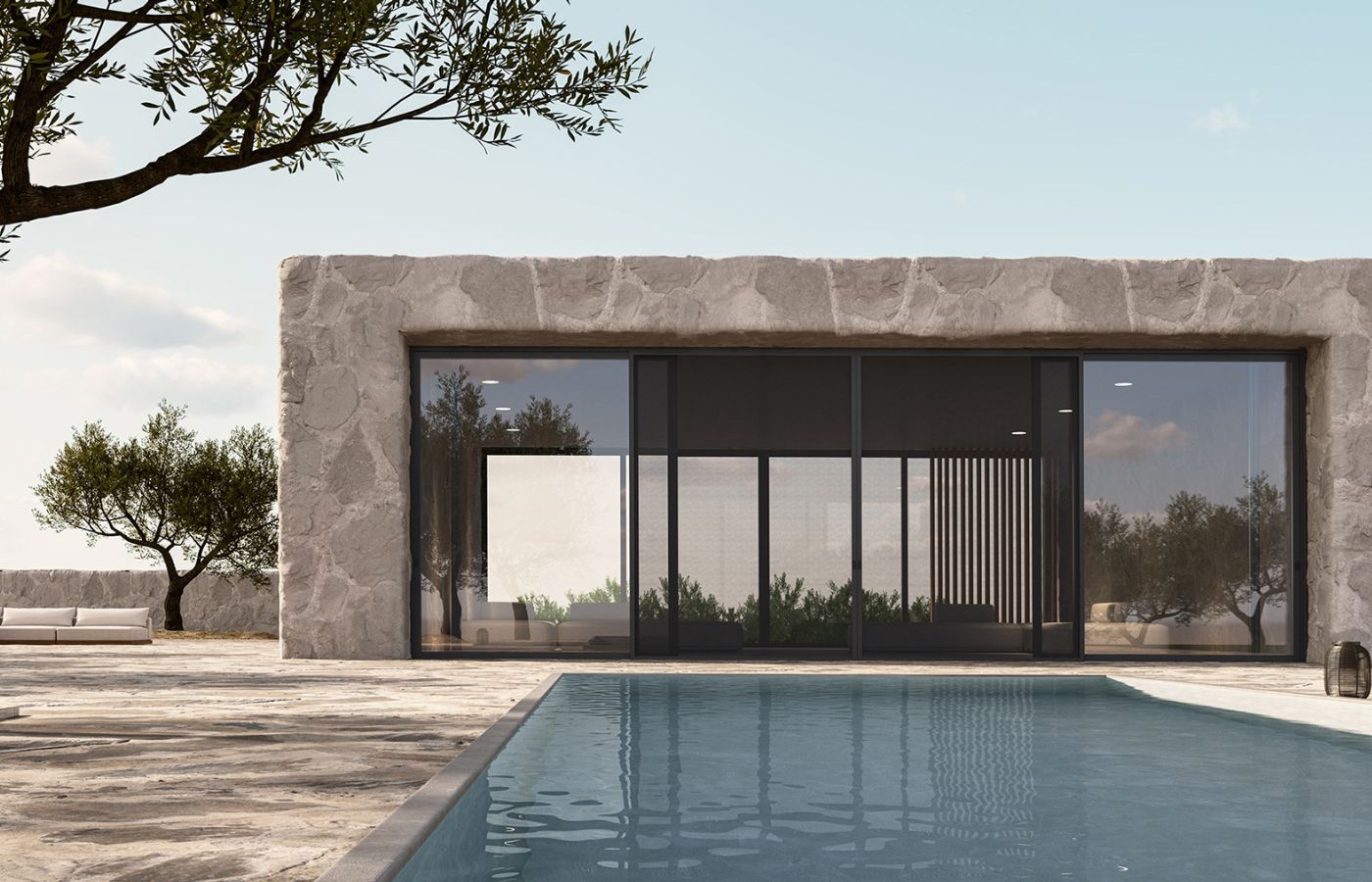
· Natural light and architectural design, for the proper choice of dimensions, profiles, and operation type (casement systems, sliding systems, tilt systems, facades, etc.).
· Type of glazing (double/triple glazing, Low-e, wide cavities filled with argon or krypton).
· Sound insulation level, especially for homes located near high-traffic roads, airports, or city centers.
· Security and burglary resistance, through reinforced hardware, multi-point locking systems, laminated safety glass, and RC certifications.
· Air permeability, watertightness, and wind load resistance, in accordance with regional requirements and the building’s exposure category.
· Aesthetics and color options, depending on the architectural style (modern/traditional), exterior requirements, and harmony with other materials.
· Maintenance requirements and lifespan, by selecting systems with high corrosion resistance and high-quality surface treatments.
2. Choosing the Right Partner Fabricator
To choose a reliable aluminum fabricator, it is important to evaluate a series of specific criteria that ensure the quality of the final result. First and foremost, the fabricator should be certified, guaranteeing that their processes comply with the required standards and specifications. Equally important is the use of modern mechanical equipment, which enables more precise and higher-quality constructions, minimizing errors and deviations.
Experience is also a key factor. A professional with proven projects and installations can provide better guidance, reliability, and a secure outcome. This experience should be supported by specialized and well-trained personnel, both in the factory and in the installation teams, as proper installation is just as critical as the manufacturing process itself.
A professional fabricator also provides a detailed financial offer, clearly distinguishing the window or door system, glazing, hardware, and installation works. This transparency allows the client to understand exactly what they are paying for and why. Reliability, however, does not end with installation. The availability of after-sales services—such as adjustments, maintenance, and long-term technical support—is a strong indication of professionalism and responsibility.
At the same time, a trustworthy fabricator collaborates with reputable glazing and hardware brands, ensuring that not only the individual components but also the final product as a whole is certified. Finally, before issuing any quotation, an on-site inspection and accurate measurements must be carried out, so that the proposal reflects the actual needs of the space and prevents miscalculations.
3. Project Timeline
The duration of a window replacement project is not fixed, as it is influenced by multiple factors. The choice of color—whether a standard shade, dual color, or wood-effect finish, can increase or reduce delivery time, since it involves different processing requirements and levels of production complexity. The overall size of the project and the fabricator’s production schedule are also determining factors, as larger projects or periods of high demand may require additional time.
At the same time, the complexity of the project directly affects the timeline. Large openings, multi-track sliding systems, custom dimensions, or special constructions typically require more time for both design and proper manufacturing. The removal of old frames also plays an important role, especially in older buildings where careful work is needed to avoid damage to walls or façades. Furthermore, for projects carried out in exterior areas, weather conditions may impact scheduling, particularly in cases of heavy rainfall or low temperatures.
Finally, the installation process itself usually takes a few days, depending on the number and type of window systems involved. Installation teams work progressively, space by space, in order to minimize disruption for occupants and ensure that each stage of the project is properly completed before moving on to the next.
4. Installation
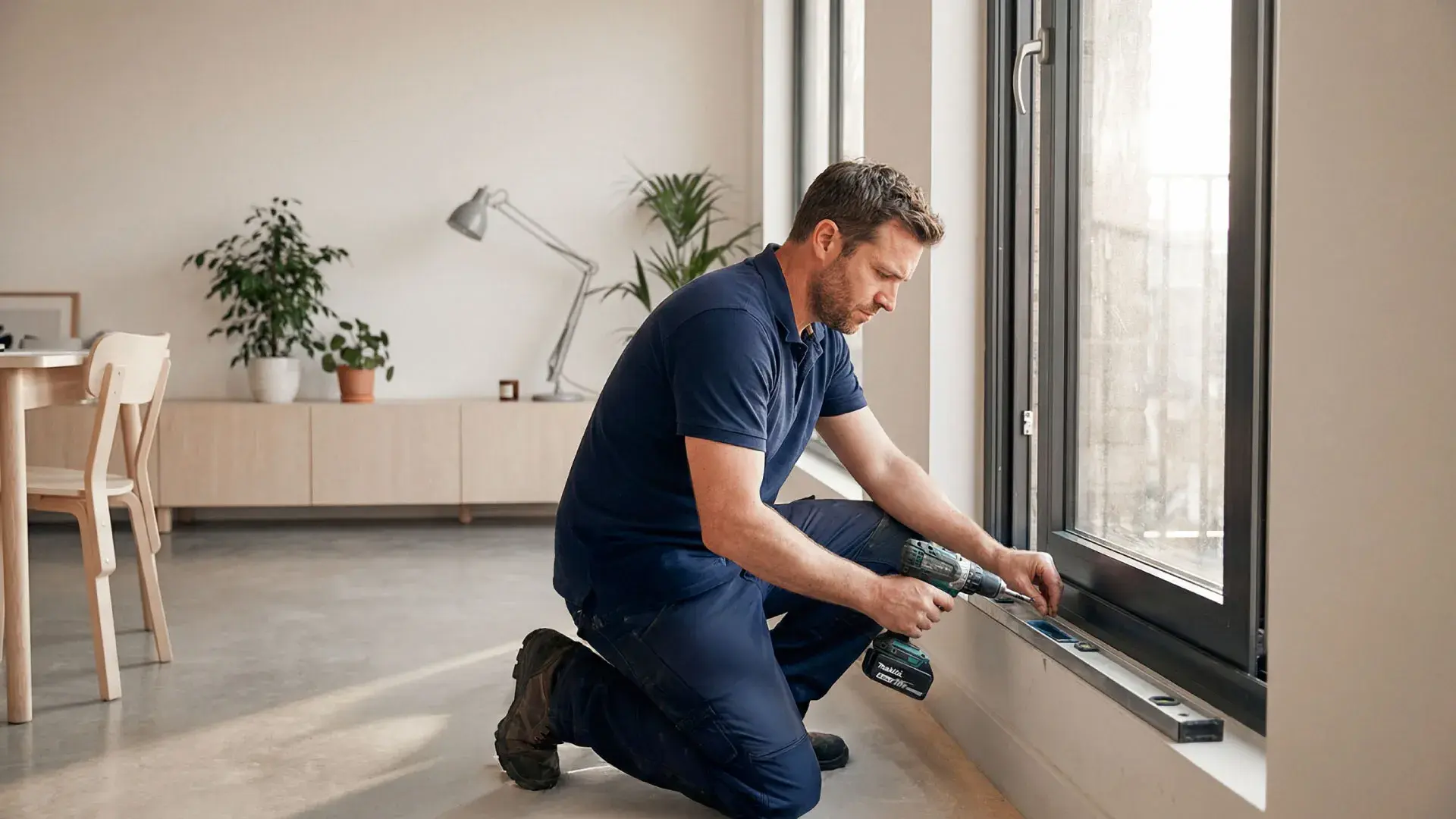
The installation process of the new window systems includes every stage, from the removal of the old frames to the delivery of the new, fully functional and properly adjusted units. Initially, the old systems are carefully removed to prevent damage to walls, floors, or the building’s finishes. This is followed by the preparation of the openings: cleaning, alignment, and surface inspection to ensure that installation takes place on a stable and properly prepared base.
Once preparation is complete, the new frames are installed, followed by sealing and insulation works—critical steps for achieving optimal thermal and acoustic performance. The glazing units and hardware mechanisms are then fitted according to the system specifications and the manufacturer’s guidelines, ensuring maximum safety and functionality. In the final stage, necessary adjustments are made to the sashes, hinges, and mechanisms so that the frame operates smoothly, quietly, and with proper closing pressure.
The installation concludes with the clean handover of the space. The installation team removes any debris, cleans the new frames, and performs a final operational check, delivering a ready-to-use system in excellent condition.

The Benefits of Window Replacement
Energy Savings
With modern thermally insulated frames and energy-efficient glazing, homes lose less heat in winter and remain cooler in summer. As a result, the need for heating or air conditioning is reduced, leading to noticeably lower energy costs.
Enhanced Sound Insulation
Contemporary aluminum systems, featuring advanced technologies and innovations, combined with double or triple energy-efficient glazing and proper installation, significantly reduce noise—creating a quieter and more comfortable environment.
Aesthetic Upgrade
Casement systems, sliding systems, aluminum doors, and folding doors with minimal design, modern lines, and a wide range of colors and textures refresh any space, offering an elegant and timeless appearance both inside and outside the home.
Increased Property Resale Value
Energy upgrades and aesthetic improvements make a property more attractive to potential buyers, enhancing its market value.
Security & Durability
Multi-point locking mechanisms, perimeter hardware, and safety glazing enhance burglary resistance, while aluminum as a material meets the highest standards in terms of security, strength, and long lifespan.
Reduced Maintenance Requirements
Aluminum frames require minimal maintenance and maintain their performance for many years.
Choosing Aluminum Frames
Aluminum frame replacement offers a significant energy upgrade, enhanced aesthetics, and improved functional comfort for your space. Your home or commercial property becomes more comfortable, quieter, and more secure, while its overall value increases.
Next Steps:
-
Assess the needs of your space
-
Choose the right window aluminum systems
-
Find a certified partner
-
Schedule the replacement according to your project timeline and requirements
-
Enjoy the benefits: energy savings, comfort, quietness, security, and aesthetic enhancement
To explore all our solutions, visit ELVIAL and discover our advanced systems with full technical support.